

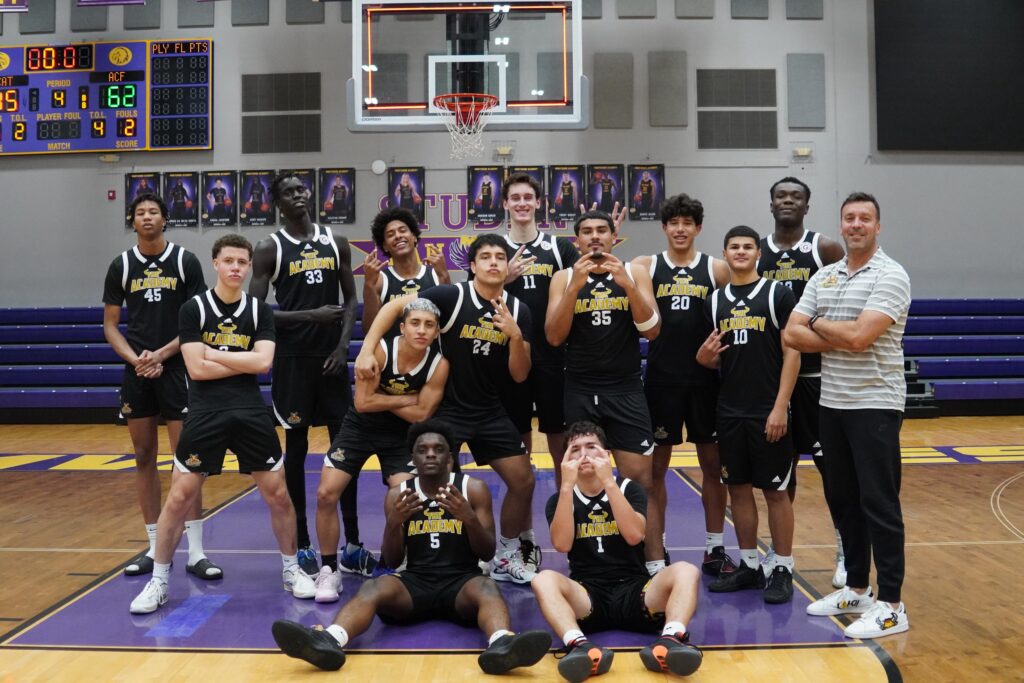
Dos países. Dos mentalidades. Un juego.Llevo años entrenando jugadores en Chile y 3 años trabajando dentro del sistema de basketball americano. Lo que voy a compartir no es teoría — es lo que vi, viví y aprendí estando en los dos lados.
01 — La Intensidad del Entrenamiento
En Chile, los entrenamientos son buenos. Hay talento, hay dedicación — pero el ritmo es diferente. En general, los jugadores están acostumbrados a pausas más largas, a que el entrenador repita la instrucción varias veces, y a un ambiente más relajado entre ejercicios.
En Estados Unidos, el ritmo no baja. Desde el primer minuto hasta el último, la intensidad es constante. No hay espacio para desconcentrarse, te quedas atrás — literalmente. Los coaches americanos arman las prácticas para mantener un nivel alto de intensidad.
🇨🇱 Chile: ritmo pausado, instrucciones repetidas, ambiente relajado, volumen alto con intensidad variable.
🇺🇸 USA: ritmo constante, instrucciones cortas y ejecución inmediata, alta competencia interna, cada rep., situaciones reales de juego.
02 — La Mentalidad del Jugador
Aquí está la diferencia más importante — y la más difícil de cambiar.
El jugador americano desde pequeño entiende que el basketball es una plataforma. Es su forma de llegar a la universidad, de conseguir una beca, de tener un futuro. Eso le da una urgencia diferente. No entrena porque le gusta — entrena porque necesita hacerlo.
El jugador chileno, en general, tiene mucho amor por el juego. Pero ese amor a veces se queda en la pasión y no se transforma en disciplina diaria. El compromiso fuera de la cancha — el trabajo individual, la nutrición, el sueño — todavía es una asignatura pendiente en nuestra cultura deportiva.
“El talento te lleva a la cancha. La disciplina te mantiene en ella.”
03 — El Sistema Detrás del Juego
En Estados Unidos hay un ecosistema completo alrededor del jugador: 4 horas de entrenamiento diario, entrenadores especializados por posición, programas de strength & conditioning desde los 14 años, estadísticas avanzadas desde high school, y una red de scouts y recruiters evaluando constantemente.
En Chile ese sistema está en construcción. No es una crítica — es una oportunidad. Los jugadores chilenos que logran insertarse en el sistema americano llegan con hambre y con una historia diferente, y eso puede ser una ventaja competitiva enorme si se trabaja bien.
¿Qué puede aprender el jugador chileno?
— Cada entrenamiento como un partido, intensidad siempre.
— Desarrollar trabajo individual constante fuera de las prácticas de equipo.
— Ver el basketball como inversión en su futuro, no solo como pasatiempo.
— Aprender inglés — es la llave que abre las puertas del sistema americano.
04 — Mi Conclusión
No se trata de que un sistema sea mejor que el otro. Se trata de entender las diferencias y usarlas a tu favor.
He visto jugadores chilenos llegar a Estados Unidos y transformarse completamente en cuestión de meses, porque el ambiente los obliga a subir su nivel. Y también he visto jugadores con enorme talento que no pudieron porque no estaban preparados mentalmente para lo que exige el sistema americano.
La brecha no es física. Es mental. Y eso se puede trabajar.
📧 coachgalolara@gmail.com
🌐 galolara.cl/contacto
📲 @galolara_coach
ENGLISH
Blog #01 — Chile vs USA Basketball
Two countries. Two mentalities. One game.
I’ve spent years coaching players in Chile and working inside the American basketball system. What I’m about to share isn’t theory — it’s what I saw, lived, and learned from being on both sides of the court.
01 — Training Intensity
In Chile, the training is good. There’s talent, there’s dedication — but the pace is different. Generally speaking, players are used to longer breaks, coaches repeating instructions multiple times, and a more relaxed atmosphere between drills.
In the United States, the intensity doesn’t drop. From the first minute to the last, the pace is relentless. There’s no room to lose focus. If your mind drifts, you fall behind — literally. American coaches design practices as if every single minute is part of a real game.
🇨🇱 Chile: slower pace, instructions repeated often, relaxed atmosphere, high volume with variable intensity.
🇺🇸 USA: constant pace, short instructions with immediate execution, high internal competition, every rep simulates game pressure.
02 — The Player’s Mindset
This is the most important difference — and the hardest to change.
The American player understands from an early age that basketball is a platform. It’s how they get to college, how they earn a scholarship, how they build a future. That gives them a different kind of urgency. They don’t train because they like it — they train because they need to.
The Chilean player, in general, has a deep love for the game. But that love sometimes stays in the passion stage and never fully transforms into daily discipline. The work outside of practice — individual training, nutrition, sleep — is still an area our sports culture is developing.
“Talent gets you on the court. Discipline keeps you there.”
03 — The System Behind the Game
In the United States, there’s a complete ecosystem around the player: position-specific coaches, strength & conditioning programs starting at age 14, advanced statistics tracked from high school, and a network of scouts and recruiters constantly evaluating talent.
In Chile, that system is still being built. This isn’t a criticism — it’s an opportunity. Chilean players who make it into the American system arrive hungry, with a different story, and that can be a massive competitive advantage if it’s developed the right way.
What can the Chilean player learn?
— Treat every practice as if a scout is watching from the stands.
— Build consistent individual work outside of team practices.
— See basketball as an investment in your future, not just a hobby.
— Learn English — it’s the key that opens the doors of the American system.
04 — My Conclusion
It’s not about one system being better than the other. It’s about understanding the differences and using them to your advantage.
I’ve seen Chilean players arrive in the United States and completely transform within months, because the environment forces them to level up. And I’ve also seen players with enormous talent who didn’t make it — because they weren’t mentally prepared for what the American system demands.
The gap isn’t physical. It’s mental and cultural. And that’s something you can work on — if you start before you cross the border.
📧 coachgalolara@gmail.com
🌐 galolara.cl/contacto
📲 @galolara_coach